INFO
This article was auto-translated using ChatGPT.
Let's build an EventBus for fun.
EventBus is a mechanism that allows different components to communicate without knowing anything about each other. A component can send an event to the EventBus without worrying about who will handle it, or how many components will process it.
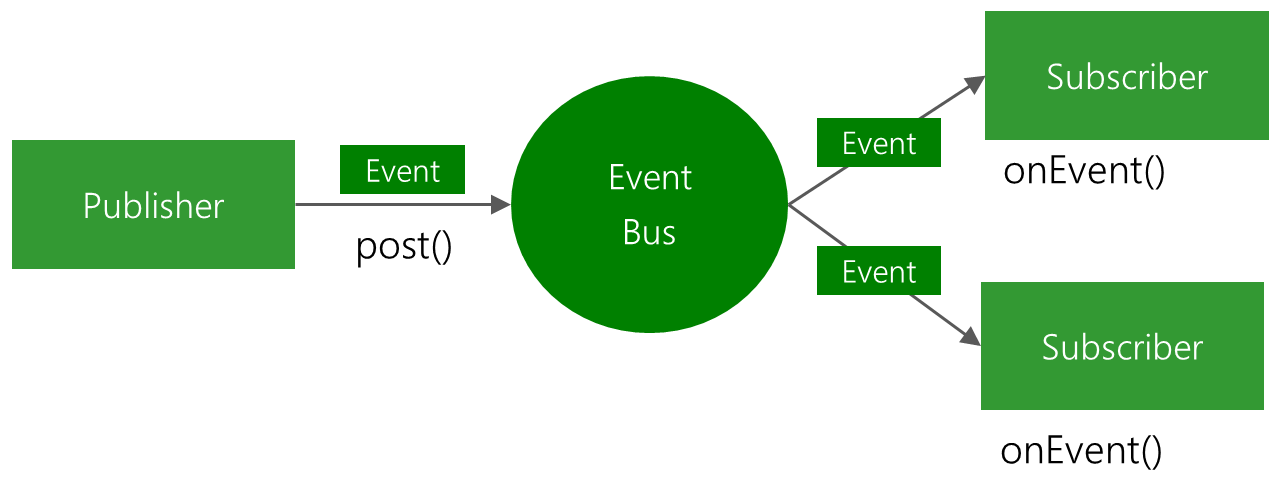
From the diagram above, we can see that an EventBus mainly needs two interfaces: one for publishing messages, and one for subscribing to messages. When publishing an event, the EventBus must find the corresponding subscribers, which means both subscriptions and emissions must use a shared identifier.
Based on this, we can create a simple EventBus like the following:
const channels = new Map();

// Provide a key when creating an EventBus to identify the channel
export function eventBus(key) {
  function on(callback) {
    // Register callback functions under the identifier
    const callbacks = channels.get(key) || [];

    channels.set(key, [...callbacks, callback]);
  }

  function emit(message) {
    // Find the callbacks for this key and send messages to them
    const callbacks = channels.get(key);

    if (callbacks) callbacks.map((callback) => callback(message));
  }

  return {
    on,
    emit,
  };
}
The version above already supports basic communication, but we can further extend it with unsubscribe and subscribe once functionality.
// Subscribe only once
function once(callback) {
  function _on_listen(...args) {
    const callbacks = channels.get(key) || [];
    // Remove this temporary callback
    const filtedCallbacks = callbacks.filter((item) => item !== _on_listen);
    channels.set(key, filtedCallbacks);

    // Call the callback passed to once
    callback(...args);
  }

  on(_on_listen);
}

// Remove the corresponding key and all its callbacks
function close() {
  if (channels.has(key)) channels.delete(key);
}
With this, we've implemented a lightweight EventBus.
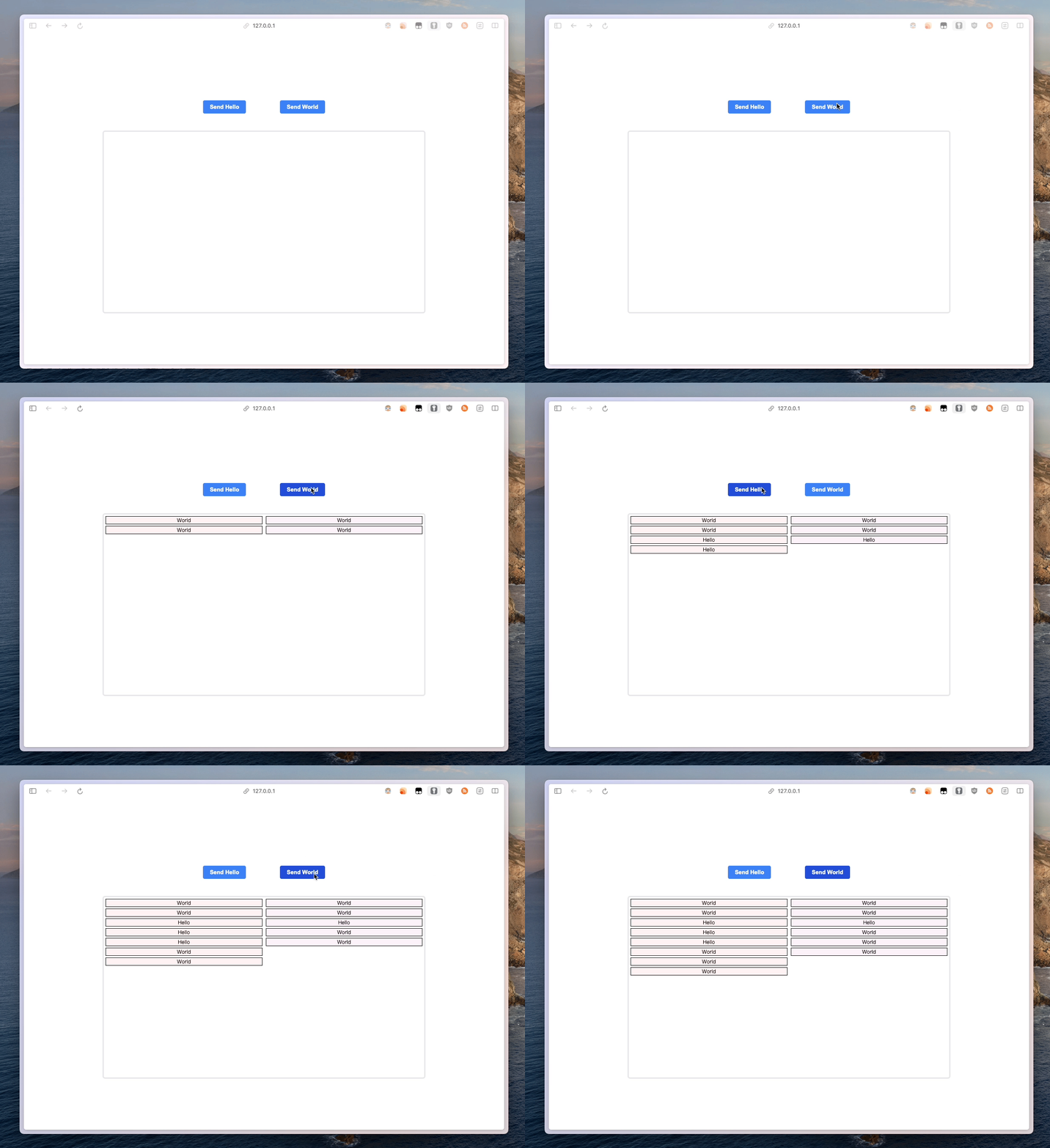
Check out the source code, and try the Demo.